Or listen on Apple, Spotify, Google, or another platform. Alternatively, you can read along with the transcript.
Each year, empirical studies are added to the mountain of research demonstrating the benefits of mindfulness.
In the K-12 classroom, mindfulness practices can deliver brief but effective social emotional interventions for students.
Intrigued by the research and having experienced personal benefits from mindfulness, Jodie Kleymeer decided to bring these practices into her classroom, especially knowing that many of her students were struggling with their mental health.
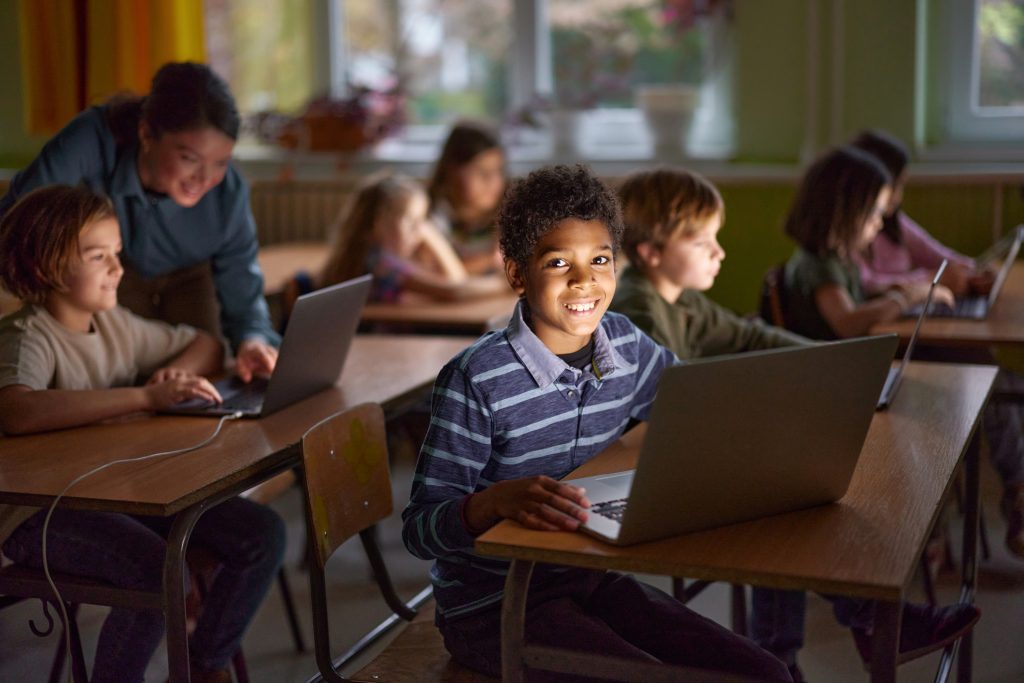
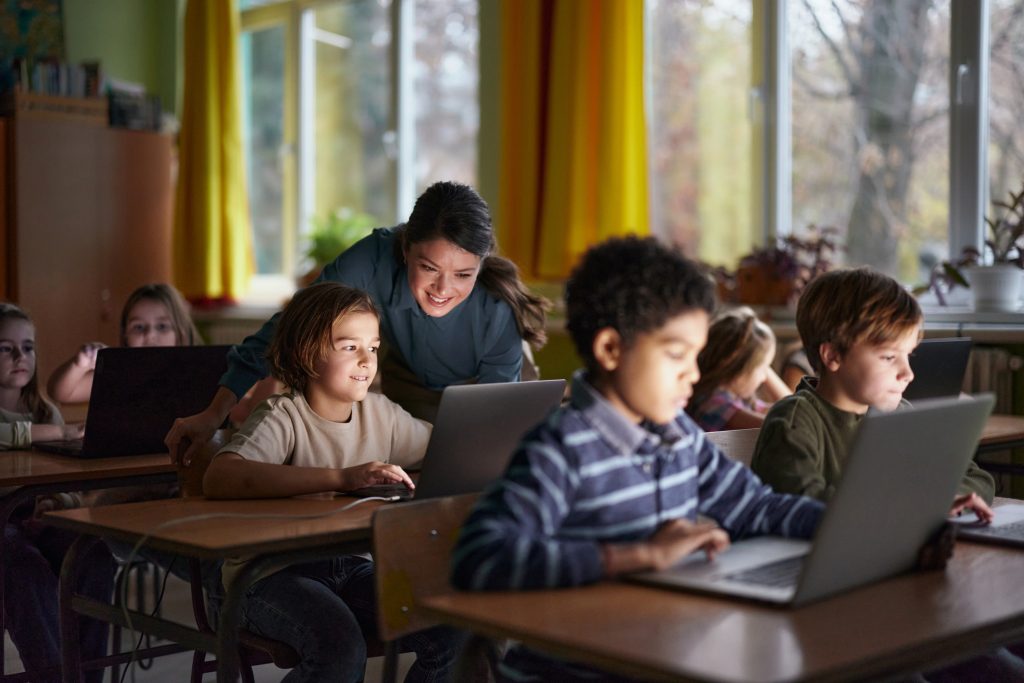
Jodie is a media specialist for Lake Shore Public Schools. These days, she typically spends the first five minutes of her Help Desk class practicing mindfulness with students.
In this episode of the BRIGHT podcast, Jodie and I explore:
- Her personal journey in discovering mindfulness in the midst of the pandemic
- The relationship between mindfulness, positivity, and mental health
- Her top three tips for bringing mindfulness into the classroom
Here’s a sneak peek at our conversation:
You can listen to my conversation with Jodie using the audio player above or by subscribing to the BRIGHT podcast in your app-of-choice (find us on Apple, Spotify, Google, and more) or by reading along with the transcript.
Of course, we understand that educators are busier than ever. If you don’t have time to listen to Jodie’s full episode (which offers the fuller effect of her wisdom, energy, and examples), you can still benefit from a glimpse at her top three tips for bringing mindfulness into your classroom below.
3 strategies for bringing mindfulness into your classroom
#1. Be interested in mindfulness & have a strong why
Jodie’s number one strategy for fellow educators is to simply be interested in mindfulness. You don’t have to be an expert, she says, but you do need to have a strong why.
Consider the adage, “Kids don’t care how much you know until they know how much you care.”
If you are passionate about mindfulness and explore it on your own, you’ll be more likely to find success in bringing it to your students.
#2. Share research with your students
Jodie also emphasizes the importance of sharing research on mindfulness with students.
“Many of my students struggle with anxiety and mental health and all kinds of different issues,” she says. “I tell my students, ‘This is a tool you can use long after you leave my class.’”
Many of the studies she cited came from a book she received for professional development called Maximizing Mindfulness & Minimizing Stress by James Porter.
The studies in this book demonstrate how mindfulness can help rewire your brain, boost your immune system, reduce stress, improve your health, and lift your mood. By sharing this research with students, she helps them invest in the practice before trying it.
#3. Offer exposure & choice to the many different types of mindfulness
Jodie’s final tip has two components: exposure and choice. First, she says, it’s important to expose students to different types of mindfulness, of which there are many.
For the first three weeks of this semester, she spent between one and seven minutes of each class period trialing different mindfulness activities. Starting in week four, however, students could choose which type would be best for them each day.
These days, Jodie’s students choose what type of mindfulness they’d like to practice at the beginning of each class period. Some students may go to the corner of the room and stretch out, whereas others may sit still and focus on their breathing.
“It may take a while for you to get ‘good’ at it,” she cautions them. “Everyone starts in a different place, and that’s OK.”
So far, she reports, most of her students love having time for mindfulness at the beginning of class. Even students who don’t struggle with anxiety and depression experience benefits and tell her that they enjoy the practice.
“They love getting relaxed,” Jodie says. “They love getting focused.”
My favorite quotes from this episode
“For me, [mindfulness] is a lifeline to reaching your own emotional knowledge. It’s a skill that you can hone like any other skill to help you have more accurate focus and be more intentional, specifically with relationships. Honestly, I realized that I had been feeling very disconnected from people, looking them right in the eye and still not hearing a thing they said. Mindfulness was a real lifeline for me to reconnect with people.”
“Due to the pandemic and all the isolation, I’d begun struggling with anxiety and depression again. Earlier in my life, when I struggled with those things, it was clear why I was depressed or anxious. This time around, I honestly couldn’t identify a reason. I started learning about these mental health issues in a very real way, whereas I had never understood them before. . . It’s brought me closer to my students. I’m open with them about my mental health struggles because I know they have them, too, and I don’t want them to feel embarrassed or ashamed or guilty or less than because they’re struggling with these things.”
“I think it wouldn’t even matter what technique I was doing. I think my students appreciate the fact that somebody cares enough about their mental health to try and help them. They’re very open to [mindfulness].”
“To me, truth is how you straddle the line between positivity and toxic positivity. If people ask me how I’m doing and I’m having a rough day, I tell them I’m having a rough day. I’m honest about it. I think where people get confused is they feel like you can’t tell the truth that you’re having a rough day, and that is false. The thing is that you don’t want to just dwell on it. That’s where you can get into the negativity that holds you back. If you’re honest about what you’re feeling in the moment, it leaves you room to process that emotion effectively.”
Related resources
- Explore: The positivity project
- Explore: Applied Google skills
- Learn: Mindfulness: A key component of social emotional learning
- Read: Maximizing mindfulness & minimizing stress
Mindfulness videos, apps, & podcasts
- Student favorite: 3-minute mindfulness meditation for clarity
- Student favorite: Short meditation music – 3-minute relaxation, calming
- YouTube meditation: 2-min breathe bubble exercise
- YouTube meditation: 2-minute mindful movement practice
- YouTube meditation: 5-minute meditation for positive thinking
- YouTube meditation: Relaxing wave breathing technique
- YouTube meditation: Guided mindfulness meditation on presence and focus – 5 minutes
- App: Headspace for educators
- App: Insight Timer
- Podcast: The mindful minute
- Podcast: Tara Brach