
Social-emotional learning (SEL) can result in significant academic improvements for students. In fact, school districts in Chicago that partnered with the Collaborating Districts Initiative (CDI) from the Collaborative for Academic, Social, and Emotional Learning (CASEL) saw an improvement in student attendance and an increase in the graduation rate from 59.3% in 2012 to 77.5% in 2017 as a result of their long-term commitment to SEL. Social and emotional skills, though non-academic in nature, have profound effects on the performance of K-12 students during primary education and can contribute a great deal to their college and career readiness.
Non-Academic Competencies That Can Prepare Students for College & the Workforce
There are five core competencies of SEL that, once fully developed, can set students up for success in secondary education and their professional lives. These competencies are as follows:
- Self-awareness – being cognizant of one’s own emotions, strengths, and limitations
- Self-management – managing emotions and behaviors to successfully achieve a goal
- Social awareness – understanding and empathizing with others to make deeper connections
- Relationship skills – being able to work with classmates or colleagues and manage conflicts when they arise
- Responsible decision-making – taking an ethical approach to conduct across the spectrum of social interactions
Implementing an SEL curriculum in a K-12 environment can set the stage for young students to develop healthy self-identities, better control over emotions and behavior, stronger relationships with others, effective conflict resolution skills, and more thoughtful decision-making—all traits that are vital for success in college and the workforce.
Why These Competencies Matter for College & Career Readiness
Research has shown that students who develop the five core competencies of SEL are better skilled at critical thinking and problem-solving, communication, and project leadership. They are adept at both working with others in a collaborative environment and successfully managing their individual responsibilities. The core competencies, in fact, directly fit into the quadrants of the College and Career Readiness and Success (CCRS) Organizer.
What Is the CCRS Organizer?
The College and Career Readiness and Success (CCRS) organizer is a visual representation of the numerous elements that influence a student’s ability to succeed in secondary education and the workforce. It was created by education professionals in early childhood development, technical education, and community colleges, as well as subject-matter experts in education non-profits and post-secondary institutions. The information in the organizer is arranged in four quadrants that collectively mirror a successful college and career readiness program: goals and expectations, outcomes and measures, resources and structures, and pathways and supports.
Goals & Expectations
Defined as what they should know and be able to do while preparing for secondary and post-secondary education, goals and expectations of students include meeting the state’s academic and technical standards, achieving secondary and post-secondary education requirements, and demonstrating social-emotional learning, critical thinking, and employability skills.
Outcomes & Measures
How do educators know when students are meeting the criteria for successful college and career readiness? Indicators include completing educational courses, attaining credentials, graduating from high school, enrolling in college, earning industry certifications, and focusing strongly on a post-secondary career path.
Outcomes of SEL programs can also be measured at the district and school levels. District-level outcomes can include implementing an SEL curriculum across the district, integrating SEL within the existing academic curriculum, and creating systems for continued improvement. A clear SEL vision for a school, buy-in from and continued education for teachers, and classroom-based initiatives are all outcomes at the school level that can be measured for efficacy.
Resources & Structures
To implement SEL in K-12 education and prepare students for college and career readiness, adequate resources are needed. Resources consist of funding, staffing, continued education opportunities, data systems, and community involvement. Feedback in the way of accountability, data-driven improvements, and evaluations of programs is also an important resource for SEL implementation and promoting college and career readiness in students.
Pathways & Supports
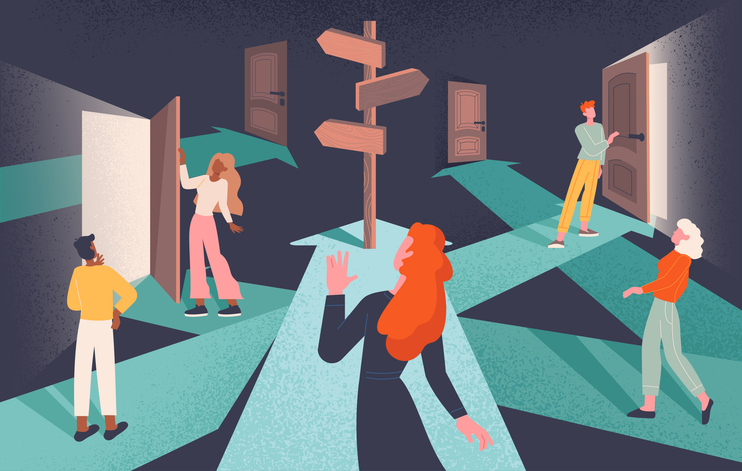
Institutions can support college and career readiness by making students aware of college and career paths, helping them choose which of those paths is ideal for their personal interests and goals, and equipping them with a well-rounded education that includes both cross-disciplinary and individualized learning strategies. Additional ways to support students as they plan for the future include helping them set specific goals and explore secondary and post-secondary options, as well as offering guidance on transitioning to college or a career.
Learn More About the Benefits of SEL
For a deeper understanding of why administrators rely on Suite360’s SEL expertise to help students succeed academically, socially, and emotionally, read Why Suite360’s Social-Emotional Learning Is More Important Than Ever today.
This article was originally published on Navigate360.com