
Do you remember the first time you picked up a hobby just for the fun of it? Maybe it was painting, coding, or playing the guitar. For me, it was writing stories in the margins of my school notebooks. That quiet joy of creating something, just because I loved it, stayed with me.
That’s the thing about hobbies. They’re more than just something to pass the time. They spark curiosity, build skills, and help shape who we become. And when we give kids the chance to explore their interests—especially outside of the classroom—we’re helping them discover parts of themselves they might not find otherwise.
Why Hobbies Matter
We’ve all seen the moment when a child lights up after trying something new and realizing they love it. Whether it’s cooking, sketching, building robots, or playing a team sport, these experiences help kids connect with their creativity and build confidence.
In the rush of school, homework, and screen time, hobbies can get pushed to the side. But carving out space for them is more important than ever. Hobbies offer kids something school can’t always provide: time to explore freely, take healthy risks, and express themselves without a grade attached.
They also build real-world skills. Through hobbies, kids learn how to problem-solve, stick with something challenging, manage their time, and work toward a goal. These are the kinds of skills that carry them through school and into adulthood.
In fact, research from the National Institutes of Health shows that leisure activities can reduce stress, boost brain function, and improve creativity. So yes, letting kids play, build, and explore can actually help them succeed in school, too.
Helping Kids Find a Hobby They Love
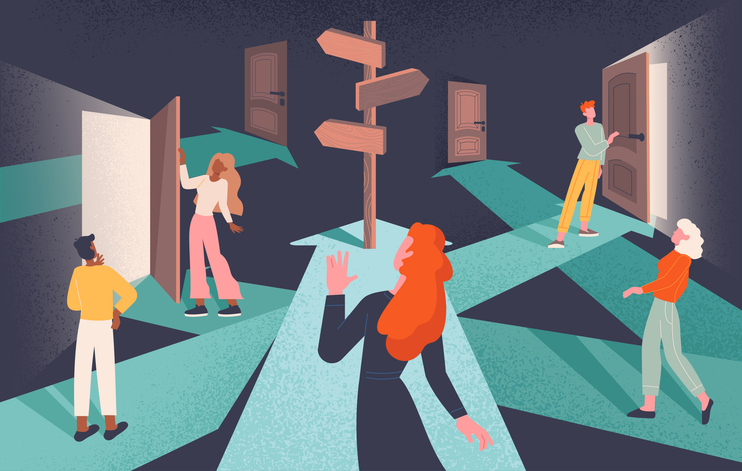
Not every child knows right away what excites them, and that’s okay. Exploration is part of the process. Here are a few ways to help them find something that sticks:
1. Offer a range of experiences
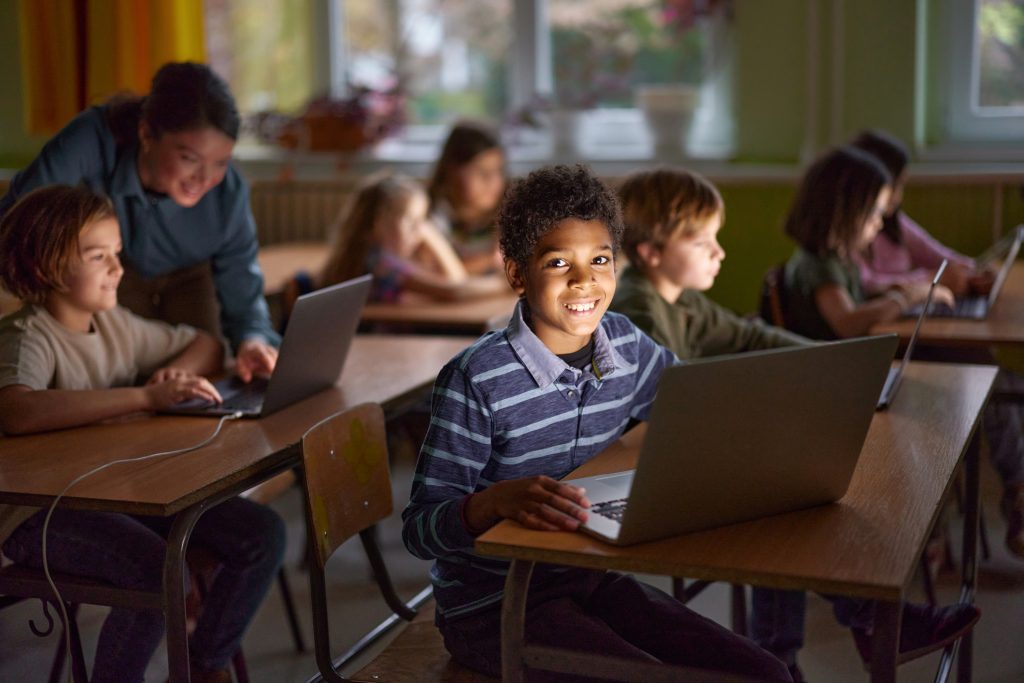
Let them try different things. Community centers and schools often offer low-cost classes or clubs that introduce kids to everything from music to robotics.
2. Notice what catches their attention
Do they draw in every notebook? Are they always building with blocks or tinkering with tech? Follow those clues and offer opportunities to go deeper.
3. Encourage group activities
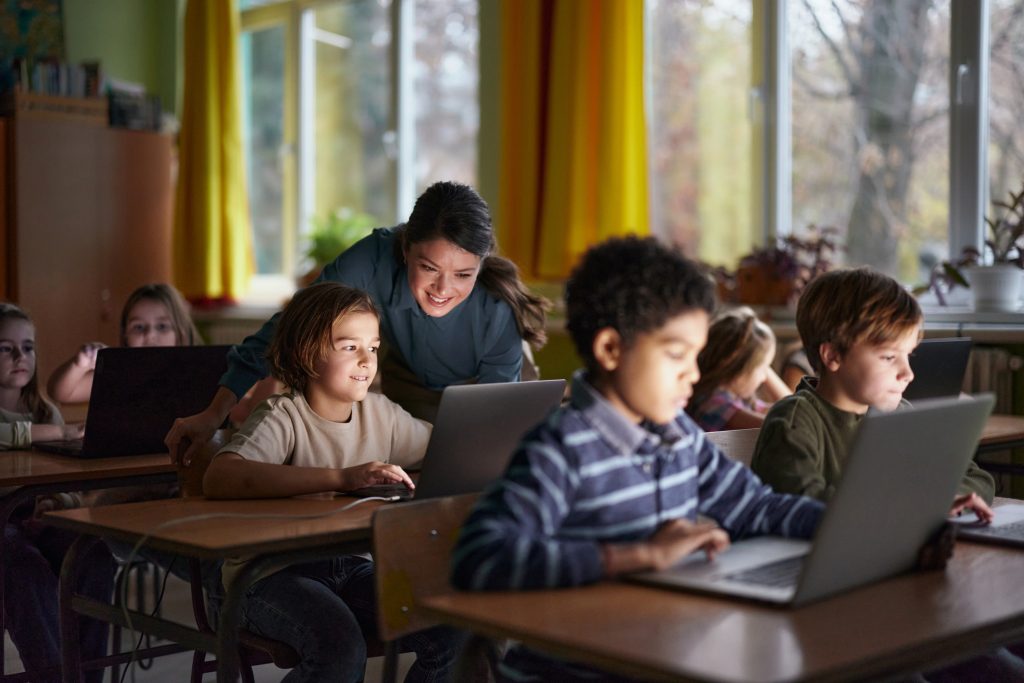
Social hobbies like sports, theater, or coding clubs help kids connect with peers, build teamwork skills, and stay motivated.
4. Be flexible
It’s normal for kids to bounce between interests. Support the journey, not just the outcome. Over time, they’ll land on something that clicks.
5. Join in when you can
Some hobbies are more fun when they’re shared. Cook together. Build something as a family. In classrooms, invite students to showcase their interests and share their skills with others.
When Hobbies Become Pathways
Here’s something else to consider: hobbies can sometimes lead to future career paths. While it might be hard to imagine a child’s fascination with video games turning into something more, the reality is that many hobbies can translate into valuable career skills. For example, a love of gaming could lead to a career in game design or esports. Similarly, a passion for photography could evolve into a professional photography career.
With the rise of the gig economy and digital platforms, what starts as a hobby can often become a side hustle or even a full-time job. By supporting a child’s hobbies, we’re not just helping them develop as individuals—we’re also opening up future possibilities they might not have considered otherwise.
Resources to Explore
If you’re looking for resources to help your child discover new hobbies, there are plenty of places to start. Here are a few recommendations:
- Common Sense Media: Offers reviews and recommendations for educational tools, apps, and games to help kids discover new interests.
- Local Community Centers and Libraries: Many offer free or low-cost classes and events, especially after school or during school breaks.
- Youtube & Online Platforms: From guitar tutorials to animation guides, there are thousands of kid-friendly resources available. Educators can help curate safe, high-quality options for independent learning.
- Enrichment Programs: Courses like Wiz Kid Learning’s Roblox Game Design or other structured micro-courses offer students a chance to dive into their interests in a more guided way.
Supporting Hobbies Through Flexible Learning
Today’s learning environment gives us more flexibility than ever. With options like online enrichment courses, after-school clubs, and independent projects, students can explore their hobbies in ways that work with their schedule and learning style.
These flexible experiences help students build confidence and take ownership of their learning. And when a child sees their passion taken seriously, they’re more likely to stick with it and grow.
Final Thoughts
At the heart of it, hobbies are about more than just having fun. They’re tools for growth, connection, and self-discovery. Whether your child is learning an instrument, building games, or exploring nature, those experiences can shape who they are—and who they’ll become.
So keep encouraging their curiosity. Let them try new things. Celebrate the process, even when it’s messy or short-lived. Because those moments might be the start of something truly meaningful.
Want to help your child take the next step?
Explore enrichment courses designed to support student interests, build skills, and make learning feel like play.
Register Now